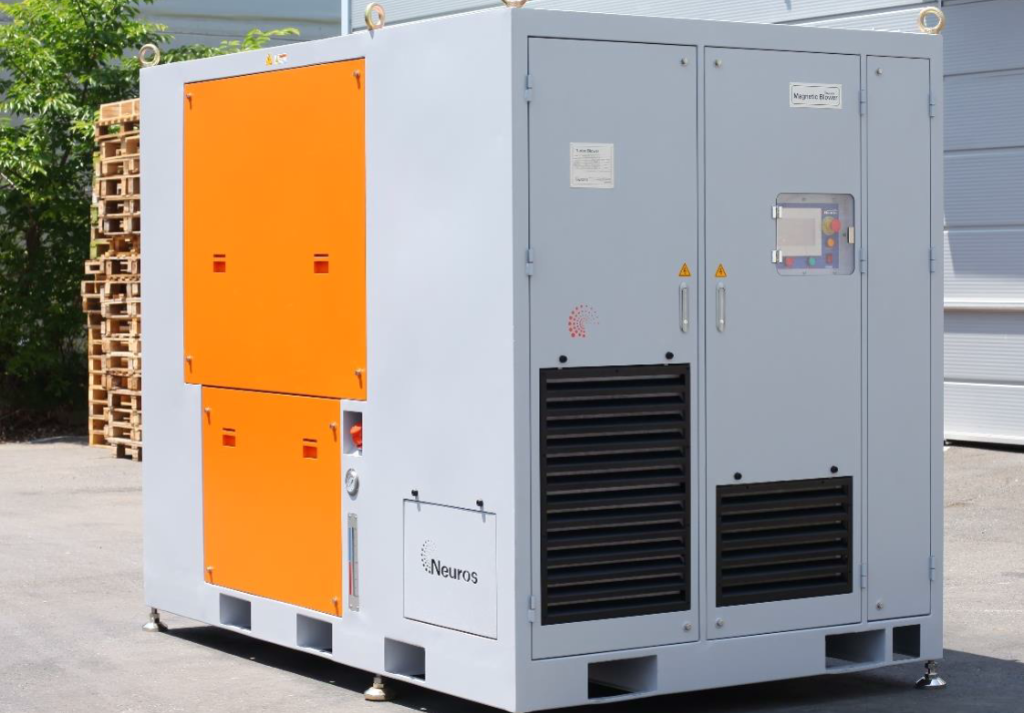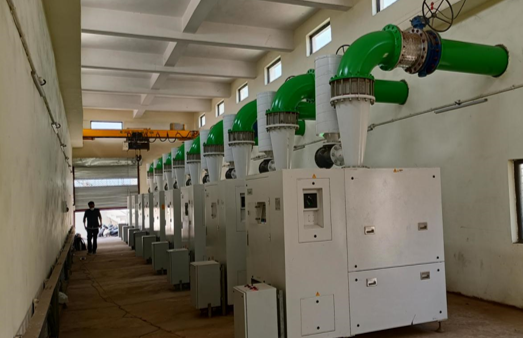
A turbo blower is a high‑speed machine that delivers volumes of clean, oil‑free air to an industrial process. It is a choice for plants that run blowers for long hours. Sewage plants use a turbo blower to keep bacteria alive. Cement plants use a turbo blower to move powder through pipes. Food factories use a turbo blower for processing.
Because supplying air takes a lot of electricity, choosing the industrial turbo blower is one of the most important equipment decisions a plant makes. In this guide, I explain in words what a turbo blower is used for, how it works, what affects its price and which type is best. By the end, you will know what to check before talking to any turbo blower supplier in India.
What Is a Turbo Blower?
A turbo blower, also called a turbo air blower, moves quantities of air at moderate pressure using a very fast spinning impeller. An impeller is a wheel with blades, much like a small turbine.
Older blowers, such as roots blowers, trap air. Push it forward. A turbo blower works differently. It speeds the air up. Then turns that speed into pressure. This wastes energy, makes less noise and needs far less maintenance.
What Is a Turbo Blower Used For?
A turbo blower is used when a plant needs a big supply of clean air. The main uses are:
Sewage and effluent treatment (STP and ETP): The bacteria in treatment tanks need oxygen to clean the water. The blower pushes air into the tank through diffusers. This runs day and night, so even a small power saving each hour adds up over a year.
Cement plant: Air carries powder through pipelines. Smooth, steady airflow helps avoid blockages.
Food, beverage and pharmaceutical industries: These industries often cannot allow oil in the air. An air-bearing turbo blower is oil-free. That protects product quality.
General industry: Process air, aeration and general blowing needs.
How Does a Turbo Blower Work?
A high speed turbo blower works in five steps.
- The motor spins fast. A permanent magnet motor runs at 20,000 to 50,000 RPM, which’s far faster than a normal industrial motor.
- The impeller speeds up the air. It sits on the motor shaft, with no gearbox or belt. It pulls air in through the inlet filter. Throws it outward at high speed.
- Speed turns into pressure. A part called the diffuser slows the moving air down. As it slows, its speed energy becomes pressure. The pressurised air flows out to your process.
- The shaft floats on a bearing. At speeds ordinary bearings wear out fast. In an airfoil bearing turbo blower, a thin film of air holds the shaft in place, so nothing touches. This means no oil and no wear.
- The VFD controls the speed. A variable frequency drive matches the motor speed to your air demand. When your plant needs air, the blower slows down and uses less power.
Benefits of an Industrial Turbo Blower
Electricity use: At Delhi Jal Board, BWSSB, Gujarat Water Supply & Sewerage Board and Kerala Water Authority, our airfoil bearing blowers gave 30–35% energy savings compared to the roots blowers they replaced. The exact savings vary with plant conditions.
Oil‑free air: There is no contamination of your process or diffusers.
Low maintenance: There is no gearbox, no belts and no oil system.
Low Vibration: The airflow is smooth and the stress on pipes is reduced.
Package: The blower, motor, VFD, cooling and controls sit together in one enclosure, so the installation is quicker.
What Affects the Price of a Turbo Blower?
There is no price that fits every plant, because the cost depends on your requirement. The main factors are:
Capacity: Higher airflow and motor power (kW) cost more.
Discharge pressure: Higher pressure requires a robust design.
Bearing type: Magnetic bearing units usually cost more than airfoil units.
Package scope: Whether VFD, cooling, enclosure and controls are included.
Site conditions: Altitude, high temperature or dusty air may need a design.
Purchase price is only a small part of the cost over 10 to 15 years. Electricity is usually the biggest cost, followed by maintenance and downtime. Always compare total cost of ownership, not only the quotation.
How to Choose the Right Turbo Blower and Manufacturer
Before asking for a quote, make sure you have these details ready: airflow (Nm³/hr), discharge pressure, inlet temperature, site altitude, running hours, power supply quality, noise limits and budget. A blower that is too big will cost more than needed. A blower that is too small will not handle the job. It is important to get the size.
When comparing a turbo blower manufacturer in India, look at these points:
Field experience: Ask for a client list and references. Real experience matters. Check how projects they have completed.
Performance testing: Are the blowers tested to standards like ASME PTC-10 or PTC-13? These standards ensure performance is accurate and reliable.
Complete package: Does the manufacturer supply the blower, motor, VFD and controls together? A single source helps avoid compatibility issues.
Technology choice: Does the company offer both airfoil and magnetic bearing blowers? Airfoil bearings are efficient and magnetic bearings offer maintenance. Having both gives you options.
After-sales support: What kind of spares are available? How fast can service engineers reach your site? Response time matters when a blower stops working.
Why Choose Usha Neuros?
Usha Neuros Turbo LLP is a venture between Usha Compressors Pvt. Ltd. (India) and Neuros Co., Ltd. (Korea). We build both airfoil and magnetic bearing turbo blowers in Ahmedabad, Gujarat.
As a turbo blower supplier in India, we help you from the start. We guide you through sizing, assist with installation and support you for the term. Our team is there from day one to the day.
Explore our product range. See our quality standards. We build blowers that last and perform well.
Conclusion
A turbo blower is a choice for plants that need clean air for long hours. It saves energy, requires little maintenance and delivers oil-free air. For standard projects like sewage treatment, cement conveying or food and textile plants, an airfoil bearing turbo blower is the right fit. For large sites, high-altitude locations or places where noise is a concern, a magnetic bearing blower is worth considering.
The best decision comes from sizing and comparing total cost, not just the purchase price. Share your airflow, pressure and application with our engineers. We will recommend the right model and estimate your savings.